

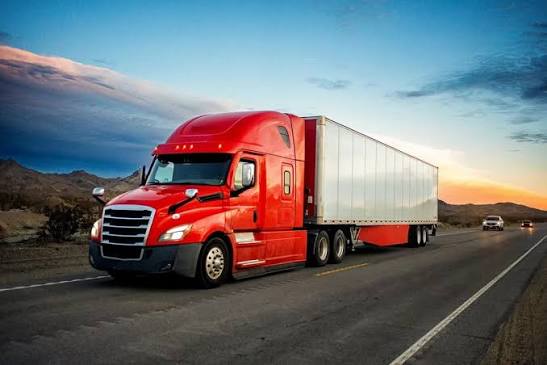
The road transport and logistics sectors are experiencing a period of unprecedented technological transformation.
Heavy commercial transport is no longer defined purely by mechanical muscle; instead, it is driven by artificial intelligence, electrification, digital connectivity, and sophisticated driver-assistance systems.
As freight demands grow across regional distribution routes and urban corridors, operators are turning to advanced innovations to boost productivity, reduce carbon footprints, and protect life on the road.
From self-tightening load-securing apparatus to autonomous long-haul convoys, modern engineering is addressing the traditional pain points of transport fleets.
Implementing cutting-edge technology ensures that transport operations achieve superior operational efficiency whilst adhering strictly to compliance guidelines.
Prioritising proactive heavy vehicle safety remains central to this ongoing industrial evolution.
Key Technological Advances Reshaping Freight Operations
- Advanced Driver Assistance Systems (ADAS) and Infrared Monitoring
Modern trucks now incorporate sophisticated sensor suites that continuously monitor surrounding traffic, pedestrian activity, and lane discipline. Systems such as blind-spot detection and front radar alerts provide drivers with immediate warnings in complex city environments. Internally, cabin-facing infrared cameras detect signs of operator fatigue, distraction, or micro-sleeps, triggering visual and auditory prompts to prevent high-speed collisions before they occur. - Electric Powertrains and Megawatt Charging Systems
Zero-emission transport has evolved beyond small municipal delivery vehicles to encompass heavy-duty haulage. High-density battery chemistry coupled with ultra-fast megawatt charging infrastructure allows battery-electric freight vehicles to complete heavy duty cycles with minimal idle time. Hydrogen fuel cell electric trucks are simultaneously proving their worth over extreme long-distance haulage routes, offering rapid refuelling times alongside zero tailpipe emissions. - Autonomous Rigs and Vehicle Platooning
Driverless long-haul trucks are shifting from experimental trial phases to active commercial deployment across designated highway freight corridors. Complementing autonomy is platooning technology, where a series of wirelessly connected trucks communicate via vehicle-to-vehicle (V2V) links. This allows follower trucks to match the leader’s acceleration and braking with split-second precision, drastically reducing drag, saving fuel, and streamlining highway congestion. - Integrated IoT Telematics and Predictive Diagnostics
Vehicle maintenance is transitioning from reactive repair schedules to predictive operational alerts. Internet of Things (IoT) sensors monitor oil quality, brake pad wear, transmission temperatures, and tyre pressure in real time. Fleet management systems analyze this continuous stream of telematics data to schedule maintenance before components fail on active transport runs, maintaining continuous fleet uptime. - AI-Driven Route and Load Optimisation
Artificial intelligence algorithms are transforming dispatcher workflows by automating load planning, route mapping, and backhaul matching. Real-time weather integration, traffic pattern tracking, and elevation mapping enable algorithms to chart the most fuel-efficient routes. These systems allow single fleet operators to handle significantly larger vehicle numbers while minimising empty runs. - Aerodynamic Innovations and Modular Chassis Systems
Structural upgrades are reducing environmental impact and improving utility on the road. Aerodynamic cab-to-trailer gap panels, known as truck wings, automatically close up structural gaps at highway speeds, yielding up to 6% savings in fuel consumption. Additionally, demountable body systems allow a single truck chassis to swap specialised skips or freight containers rapidly from inside the driver cabin. - Digital Compliance Platforms and Blockchain Records
Paper logbooks and manual inspection checklists are rapidly giving way to digital compliance suites. Auditable digital dashboards automatically sync vehicle condition logs, driver work-rest records, and environmental tracking data. National regulatory standards, such as those governed by the National Heavy Vehicle Regulator (NHVR), establish clear framework guidelines for heavy vehicle safety, chain of responsibility, and operational compliance across Australia. - Dynamic Load Tensioning and Cargo Security Systems
Cargo security technology has seen significant upgrades with roof-mounted and automated load tensioning platforms. These systems automatically lock down flatbed and curtain-side loads with consistent force. Automatic tensioning units react to shifts in freight during transit, eliminating manual strap tightening along transport corridors and reducing rollover risks caused by shifted cargo.
Strategic Advantages for Modern Fleet Operators
Integrating state-of-the-art technological innovations yields tangible returns for transport companies:
- Improved Fuel Efficiency: Aerodynamic improvements, automated platooning, and optimised route planning combine to lower fuel consumption significantly across urban and regional trips.
- Minimised Vehicle Downtime: Connected diagnostics allow fleet maintenance teams to replace worn components proactively, keeping freight assets on the road earning revenue.
- Enhanced Operator Protection: Modern active collision avoidance, lane-keeping assistance, and cabin fatigue monitors protect drivers from hazardous incidents.
- Streamlined Regulatory Reporting: Digital telematics and verified cloud records simplify legal oversight, ensuring compliance duty holder obligations are fully met without administrative delays.
Future Outlook of Road Transport
The rapid acceleration of heavy vehicle technology represents a vital shift towards safer, smarter, and cleaner transport networks.
As electric powertrains mature and autonomous features expand onto main transit routes, early adopters of these technologies will achieve substantial gains in operational capability, sustainability, and safety compliance.
Investing in modern hardware and smart software solutions ensures transport businesses remain competitive in an evolving logistics landscape.
Would you like me to make any adjustments to the article, such as tailoring it for a specific segment of the trucking industry or converting the content into a formatted document?
