

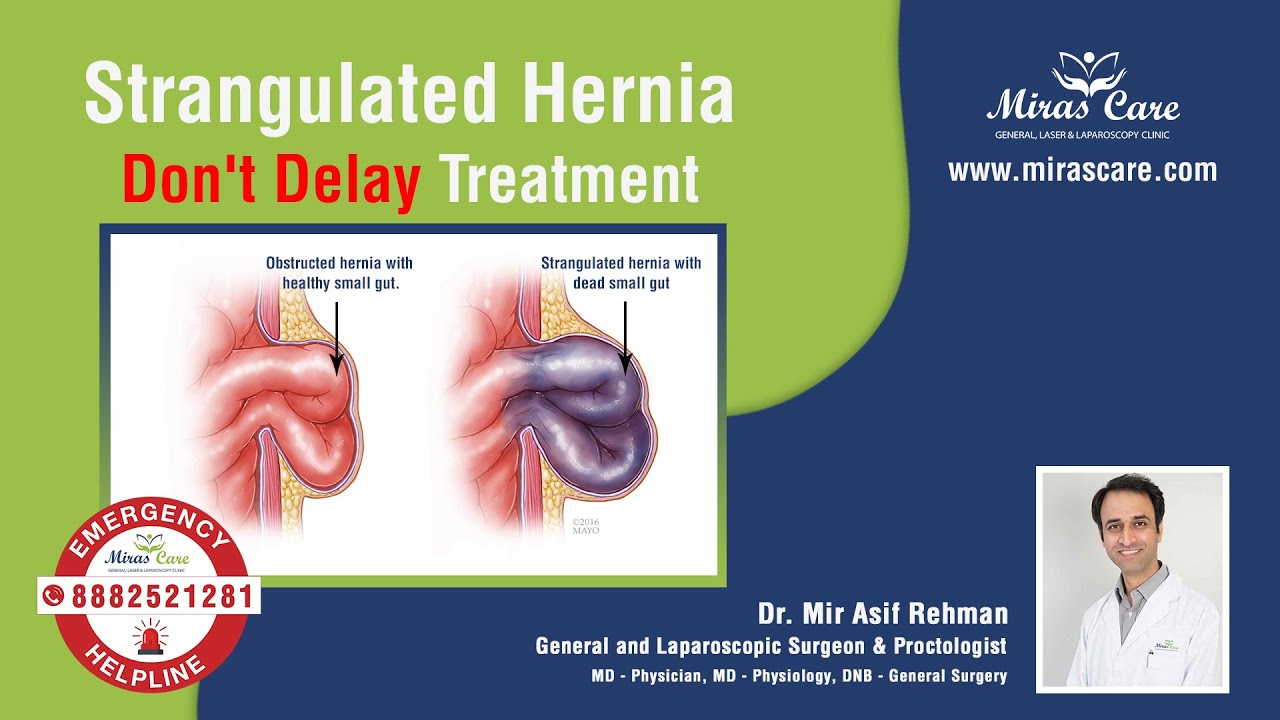
Hernias are a common medical condition that occur when an organ or tissue pushes through a weak spot in the surrounding muscle or connective tissue. While some hernias may not cause immediate problems, others can lead to serious complications if left untreated. Recognizing the key signs you may need hernia treatment soon can help you seek medical attention promptly and avoid potential risks.
What Is a Hernia?
A hernia occurs when internal tissue, such as part of the intestine, protrudes through a weakened area in the abdominal wall. Common types of hernias include inguinal (groin), femoral, umbilical (around the belly button), and hiatal hernias. While small hernias may not cause noticeable symptoms initially, they can grow over time and become painful or dangerous.
Common Symptoms of a Hernia
Recognizing symptoms early is crucial. Here are some common signs that indicate you may need hernia treatment soon:
1. A Noticeable Bulge or Lump
One of the most obvious signs of a hernia is a visible lump or bulge, often in the abdomen or groin area. The bulge may become more prominent when coughing, bending, or lifting heavy objects.
2. Persistent Pain or Discomfort
Pain or discomfort at the site of the hernia, especially when standing, lifting, or straining, can signal that the hernia is worsening. This discomfort may start as a dull ache and progress to sharp or severe pain if left untreated.
3. Nausea, Vomiting, or Digestive Issues
If a hernia becomes strangulated—where the blood supply to the protruding tissue is cut off—this can lead to nausea, vomiting, and digestive problems. These are urgent signs that you may need hernia treatment soon. Immediate medical attention is critical in such cases.
4. Swelling and Tenderness
Swelling or tenderness around the bulge, especially if accompanied by redness or warmth, may indicate inflammation or infection. These symptoms should not be ignored.
When to See a Doctor
Even if your symptoms are mild, it’s important to consult a healthcare professional. A doctor can perform imaging tests and recommend the appropriate treatment, which may include lifestyle changes, medication, or surgery. Ignoring the condition can lead to serious complications, including intestinal obstruction or tissue death.
Conclusion
Being aware of the key signs you may need hernia treatment soon can help prevent complications and improve recovery outcomes. Pay attention to any bulges, persistent pain, digestive issues, or swelling, and seek medical advice promptly. Early diagnosis and treatment are essential to managing hernias safely and effectively.
