

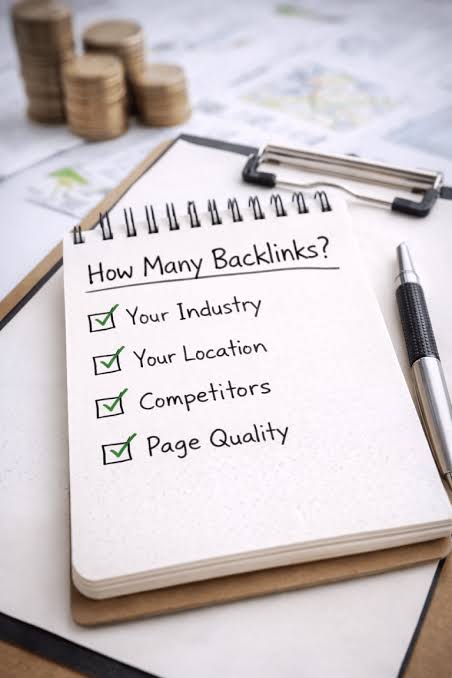
For a small business, earning links from other websites can feel like a task reserved for large marketing teams. In reality, a sensible backlink plan starts with useful work: understanding who you want to reach, creating something worth citing and building relationships with relevant publishers. The goal is not to collect as many links as possible, but to make it easier for the right people to discover your business.
What backlinks can—and cannot—do
A backlink is a link from another website to yours. Search engines may use links as one signal when assessing how pages relate to each other and how credible they appear. A link can also bring direct referral traffic, introduce your business to a new audience or help a useful resource reach people who need it.
But links are not a shortcut to a strong online presence. A large number of irrelevant or low-quality links may do little for your visibility, and attempts to manipulate rankings can create risk. Before starting a campaign, consider the basics: is your website clear, useful and technically accessible? Will a visitor landing on the page understand what you offer and what to do next?
Choose a method that fits your business
There are several ways to earn links, and each calls for different resources. A practical backlink building guide can help compare approaches such as guest posting, digital PR, niche edits and reclaiming brand mentions. Treat these as options rather than a checklist: the best fit depends on your audience, expertise, time and budget.
Guest posting
Writing for another publication can put your knowledge in front of a relevant readership. Start by identifying websites that serve the same audience without being direct competitors. Read their recent articles and submission guidelines, then suggest a specific topic that adds something their readers do not already have. A guest article should stand on its own; a link to your site is most useful when it supports the reader with an example or further detail.
Digital PR
Digital PR is about giving journalists, editors and industry writers a reason to cover your business or use your material. That might be original research, a useful expert comment, a local initiative or a clear response to a current issue. A press release alone rarely guarantees coverage. Make the information easy to check, provide a concise explanation of why it matters and be realistic about whether it is newsworthy to the audience you are pitching.
Niche edits and brand mentions
A niche edit involves adding a relevant link to an existing page, while brand mention reclamation means contacting a publisher that has already named your business but has not linked to it. These methods require careful judgement. Check that the page is genuinely related to your work, that the link would help its readers, and that the site appears to be maintained for people rather than built solely to sell links. For an unlinked mention, a polite request is often enough; the publisher may still decide not to add a link.
Assess quality before chasing quantity
Do not judge a potential link only by a third-party score or by how impressive a website looks at first glance. Read the page and ask whether a real person in your target audience might visit it. Consider whether the site publishes relevant material, has an identifiable editorial purpose and provides a sensible context for your link. A placement on a smaller, focused publication can be more valuable than one on a broad site with little connection to your work.
Be cautious of guaranteed ranking results, bulk link packages and offers that hide where links will appear. A link that is paid for or exchanged should be handled in line with search-engine guidance and any applicable disclosure rules. Keep a record of outreach, placements, costs and outcomes so you can assess what is working rather than relying on vague promises.
Build a manageable campaign
Small businesses rarely need a complicated operation. Begin with a short list of pages you want to promote and the audiences most likely to find them useful. Then create or improve material that can earn attention: a practical guide, a local data snapshot, an original case study or a clear explanation of a common problem. Make sure the page is accurate and easy to share before asking anyone else to link to it.
Outreach and content production take time, so decide what your team can handle consistently. If you need specialist help with writing, design or research, a marketplace such as Osdire lets buyers hire freelancers across more than 900 categories, including marketing and translation. Its flat pricing and payment held until work is approved can make project costs easier to plan, though you should still define the brief, deliverables and review process clearly.
Finally, measure more than the number of links earned. Track referral visits, enquiries, relevant search visibility and whether the campaign strengthens relationships with useful publishers. Backlink building works best as a steady part of broader marketing: make something worthwhile, find the people it serves and give them a credible reason to share it.
