

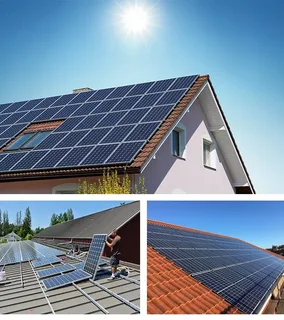
Switching to renewable energy is no longer just a trend—it’s becoming a practical and financially smart decision for many homeowners. Home Solar Power System: Costs, Savings, and What to Expect is a topic that deserves careful consideration, especially as energy prices fluctuate and climate concerns grow. This article breaks down the essential details so you know exactly what you’re getting into.
Understanding Home Solar Power Systems
Home solar setups typically include solar panels, an inverter, mounting equipment, optional batteries, and monitoring software. Together, these components convert sunlight into usable electricity for your home.
How Solar Panels Work
Solar panels absorb sunlight and convert it into direct current (DC) electricity, which your inverter then transforms into alternating current (AC) power—what your home appliances use. Any excess energy can either feed back into the grid or be stored in a battery system, depending on your setup.
Costs of Installing Home Solar Systems
Upfront Installation Costs
For most homeowners in the U.S., installing a full solar system costs between $15,000 and $30,000 before tax incentives. Factors influencing the total price include:
- Roof type and angle
- Size of the system
- Local permitting and labor costs
- Whether or not you choose battery storage
Using the phrase Home Solar Power Systems: Costs, Savings, and What to Expect, many homeowners realize that while the upfront investment may seem high, the long-term savings often justify it.
Financial Incentives and Tax Credits
Governments and utility companies offer incentives such as:
- Federal Investment Tax Credit (ITC)
- State or local rebates
- Net metering programs
These incentives can reduce installation costs by up to 30% or more.
How Much You Can Save
Monthly Bill Reductions
Solar panels can cut your electricity bill by 50%–100%, depending on your energy usage and system size. In some cases, homeowners eliminate their electric bills entirely.
Long-Term ROI
Most homeowners recoup their initial investment within 6 to 10 years, after which their electricity is essentially free. Because solar panels last 25–30 years, that leaves a decade or more of pure savings.
In exploring Home Solar Power Systems: Costs, Savings, and What to Expect, it becomes clear that the financial payoff is one of the biggest benefits.
What to Expect After Installation
Maintenance
Solar systems require minimal maintenance. Cleaning panels once or twice a year and having periodic inspections are usually enough to keep the system running smoothly.
Energy Monitoring
Many systems include apps that show real-time energy production and usage, giving you helpful insights and control over your home’s electricity consumption.
Home Value Increase
Homes with solar power often see higher resale values, making solar an investment that benefits you both now and in the future.
Using the term Home Solar Power Systems: Costs, Savings, and What to Expect, many buyers also understand that solar can make a home more attractive in the real estate market.
Final Thoughts
Making the switch to solar is more accessible than ever. With falling installation costs, valuable tax incentives, and significant long-term savings, home solar energy is a smart choice for both your wallet and the planet. Understanding Home Solar Power Systems: Costs, Savings, and What to Expect ensures you’re fully prepared to make an informed decision.
